WARDER CLYDE ALLEE AWARD: BEST STUDENT PAPER
The Warder Clyde Allee Symposium for best student paper is always a highlight of the conference as it features outstanding graduate student research, with an award for the best paper and talk. The session honors Dr. Warder Clyde Allee (1885–1955) who was very influential in the development and direction of animal behavior research in the 20th century. Dr. Allee earned his PhD from the University of Chicago in 1912, was a faculty member at the University of Illinois, University of Oklahoma, University of Chicago, and University of Florida. He was elected to the National Academy of Sciences in 1951 and ranks among the leading twentieth century ecologists.
The Allee Symposium has been a highlight of our annual meetings since 1972! In the 2025 ABS Allee Session, finalists were selected to present their research based on the quality of their papers.
To participate in the Allee Symposium
- any independent graduate student research is eligible, but the students must have had the principal responsibility for the conceptualization and design of the research, the collection and analysis of the data, and the interpretation of the results.
- you must be a graduate student or have defended your dissertation since the last annual meeting.
- you must submit an extended abstract, which is used by the judging committee to select the participants.
- The presentations cover multiple years of work and so you get to hear a complete story.
- The half-hour time slot allows time for the presenters to put their work in context.
- The talks are invariably beautifully prepared and well practiced, and very unlikely to have been written on the plane on the way to the conference.

WILLIAM C. YOUNG FOUNDER MEMORIAL POSTER AWARD
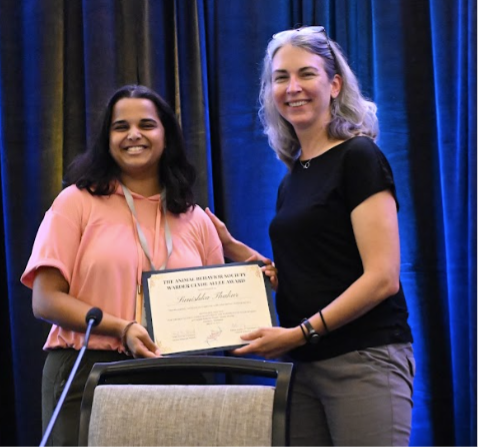
Each year a poster competition, named after a Founder of the Animal Behavior Society, is held at the annual meeting. A founder is defined as “A person active in the period prior to 1966 who held at least two administrative positions, elected or appointed, in ABS or the ESA Section on Animal Behavior and Sociobiology or the ASZ Division of Animal Behavior as recorded by the ABS Historian.” The Founders’ award is for outstanding posters presented at the annual meeting. This year the Founders Memorial Poster Competition was named to honor RH Denniston II (1914-1999).
There were many excellent posters presenting excellent science!
The judges identified three outstanding posters, notable for their innovative science and clear presentation.
The first place for the RH Denniston II Founders Award for 2025 was Sekhar M.A. for their poster “Ungeneralizable generalizations? The influence of taxonomic bias on meta-analytical inferences in behavior.”
Two honorable mentions were also awarded to Nikita M. Finger for their poster on “Behavioral flexibility in bats: Adjusting navigation strategies with vision and echolocation” and then also Sophie Cohen-Bodénès for their poster “Cuttlefish interact with multimodal arm wave displays.”
GENESIS AWARD FOR OUTSTANDING UNDERGRADUATE POSTER PRESENTATION
First presented at the 2000 ABS Annual meeting, the Genesis Award honors the best undergraduate poster presented at the meeting. So many of the posters really stood out for their excellent science and clear communication.
Third place: Alexander DuToit "Song amplitude covaries with timing characteristics in one of the world's loudest birds"
Second place: Taylor Parham and Ethan Gray "Retinal tracking to test number sense in jumping spiders (Phidippus audax)"
First place: Maribel Rojas Montoya "Show the color and I will tell you which forelimb you use"
And two honorable mentions were awarded as well:
Kelsey S. Persons - "Fishing Spider (Dolomedes triton) Silk Affects Whirligig (Dineutus assimilis) Behavior and Predation "
Madison S. Evans - "Sounds of Silence: The Effects of Anthropogenic Noise on Bats in Rural Communities"
ABS FILM FESTIVAL AWARD
Now in its 41st year, the ABS film festival featured top films that were produced in the preceding five years that portray important concepts in animal behavior research and education. Categories include both amateur (non-commercial) and professional (commercial) films. Films were ranked based on their accuracy, quality of narration, quality of videography, degree of anthropomorphism, and overall appeal.
Non-Commercial Films
Made by individuals largely associated with animal behavior from a teaching, research, and/or applied perspective.
 First Place Selection:
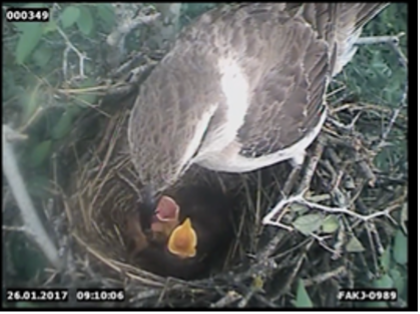
The Intriguing Life of a Parasitic Bird Directed by: Marcelo Viñas
(La Intrigante Vida de un Ave Parásita)
This documentary explores the work of a group of scientists led by Dr. Vanina Fiorini, whose research allows us to gain deep insight into the reproductive behavior of the Shiny Cowbird, which is based on a complex and astonishing brood parasitism strategy.
First Runner Up:
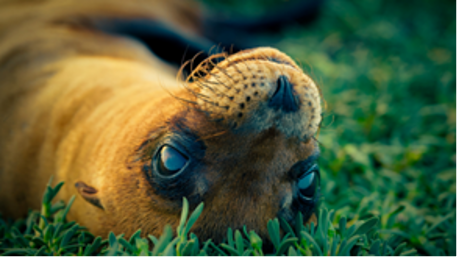
Lobería, the Island of Sea Lions Directed by: Rémi Demarthon
For more than 20 years, a colony of Galapagos sea lions off the Pacific Coast has been sharing the tiny islet of Caamaño with scientists. On this isolated rock, with no natural shade or fresh water, PhD student Alexandra Childs and her assistants follow the intimate lives of each individual as they attempt to unravel the many mysteries surrounding this unique species.
Commercial Films
Made by professional photographers and filmmakers.
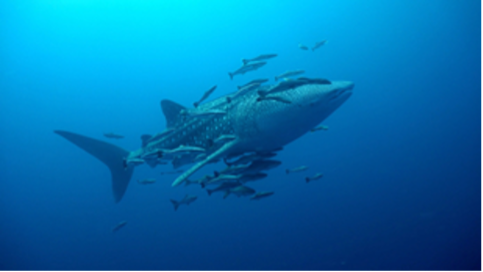
First Place Selection:
Secret Ways of a Whale Shark Directed by: Peter Lamberti
This documentary is an unprecedented ocean odyssey, following in the wake of the largest and perhaps most enigmatic fish in the sea. From the crystal-clear waters of the Seychelles to the frigid, rough South Atlantic seas where great whites roam, join an incredible journey following the world's largest fish as she traverses 6000km of ocean in search of plankton blooms. This documentary tracks the migration of a majestic whale shark, marveling at the challenges she faces and showcasing the stunning and elusive creatures she encounters on the way.
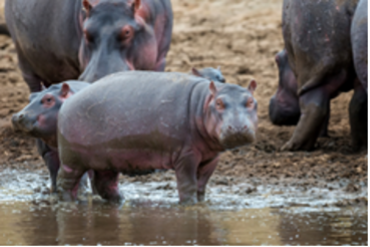
First Runner Up:
The Strongest on the Savannah Directed by: Carlos Perez Romero
The ocean surrounding the island has made the hippos of Orango Grande truly exceptional. Just over a hundred individuals inhabit this pristine territory, isolated from their continental relatives. Adapted to their small environment, the Orango hippos live in ponds and lagoons or roam through forests, mangroves, and savannas in search of food. But what makes this community unique is that these large mammals travel between different areas of the island by crossing the ocean - an astonishing behavior that has earned them the title of “marine hippos.” It is a paradise of extraordinary biodiversity, where the strongest reign: the marine hippos of Orango.
Chair: Barbara Clucas – Judges: Natalie Roberts, Rosario Jacoby, Amanda Puitiza, Natalia Aponte, and Julie Young
Interested in joining the committee? Please email [email protected]
ANIMAL BEHAVIOR JOURNAL BEST PAPER PRIZES 2025
On behalf of Animal Behaviour, Elsevier, the Association for the Study of Animal Behaviour and the Animal Behavior Society, we are delighted to present our 2025 Best Paper Prize winners. Each year, there are three categories of awards for articles published in the journal:
- Student Award: For any first author whose paper was accepted while they were still an undergraduate, Master’s or Ph.D. student.
- Early-Career Award: For any first or last author whose paper was accepted within 3 years (full-time equivalent) of receiving their Ph.D. (taking into account breaks due to, for example, illness or parental leave).
- Geographical Award: For any first or last author from an institute in a Low or Middle income country in the World Bank’s classification by the income of countries.
All winning articles not already designated open access will be freely available to access until 1 November 2026.
Student Awards
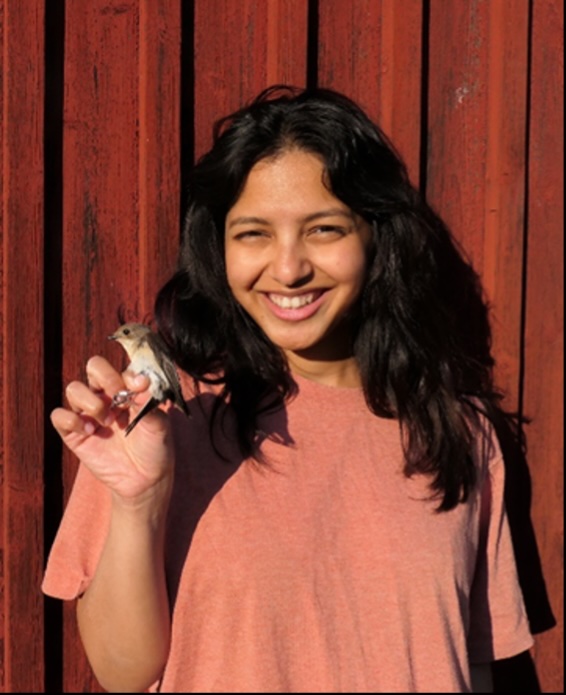
Samyuktha Rajan (Stockholm University, Sweden) for her article Geographical variation in parental calls contextually shapes nestling songbird responses (Animal Behaviour (2025). Volume 222, Article 123114) https://doi.org/10.1016/j.anbehav.2025.123114
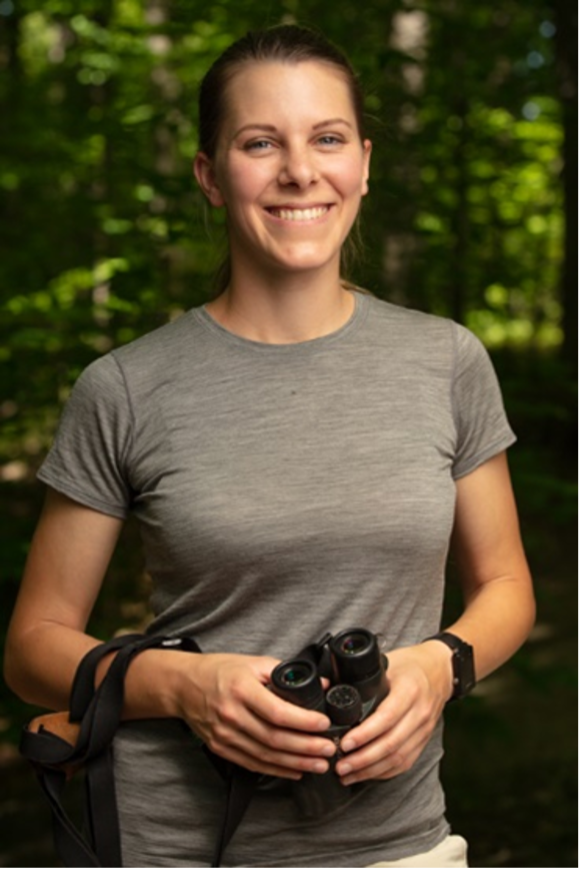
Taylor M. Brown (Trent University, Canada) for her article Navigating the night: effects of artificial light on the behaviour of Atlantic puffin fledglings (Animal Behaviour (2024). Volume 218, Pages 135–148) https://doi.org/10.1016/j.anbehav.2024.09.008
Early-Career Awards

Tyler A. Brown (University of Maryland Baltimore County, U.S.A.) for his article The reduction of nuptial gifts in sclerosomatid Opiliones coincides with an increase in sexual conflict-like behaviour (Animal Behaviour (2025). Volume 223, Article 123150) https://doi.org/10.1016/j.anbehav.2025.123150
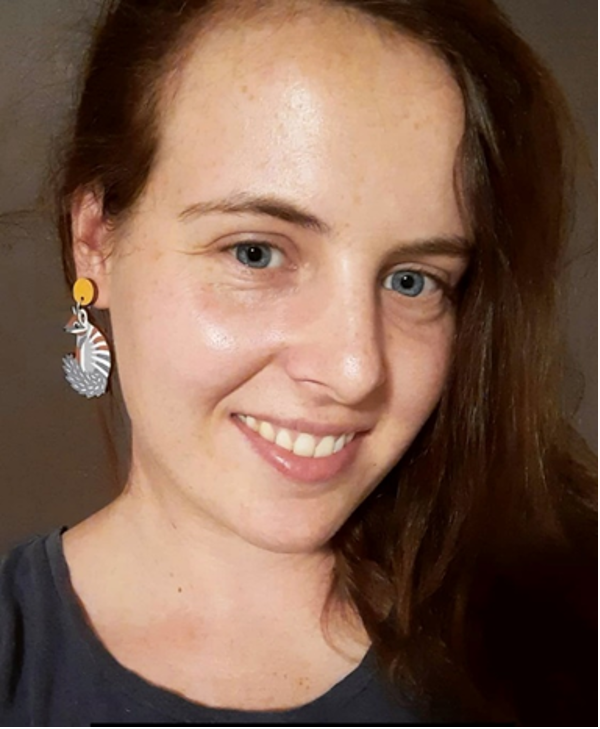
Kate A. Cornelsen (University of New South Wales, Australia) for her article Predicting success of conservation translocations: prerelease screening tools for a threatened marsupial (Animal Behaviour (2025). Volume 224, Article 123189) https://doi.org/10.1016/j.anbehav.2025.123189
Geographical Awards
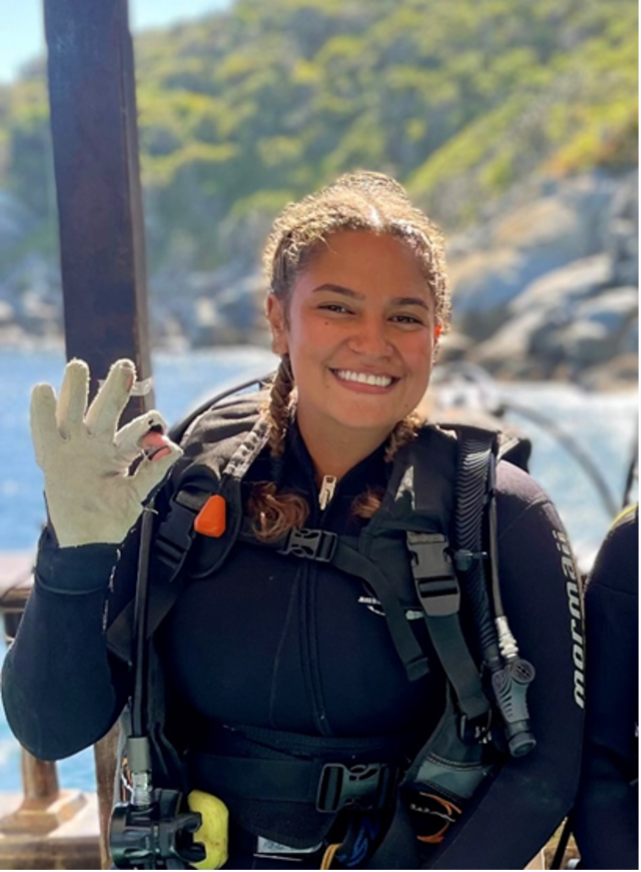
Aléxia A. Lessa (Universidade Federal Fluminense, Brazil) for her article Exposure to anthropogenic noise affects feeding but not territory defence in damselfishes (Animal Behaviour (2025). Volume 223, Article 123130) https://doi.org/10.1016/j.anbehav.2025.123130
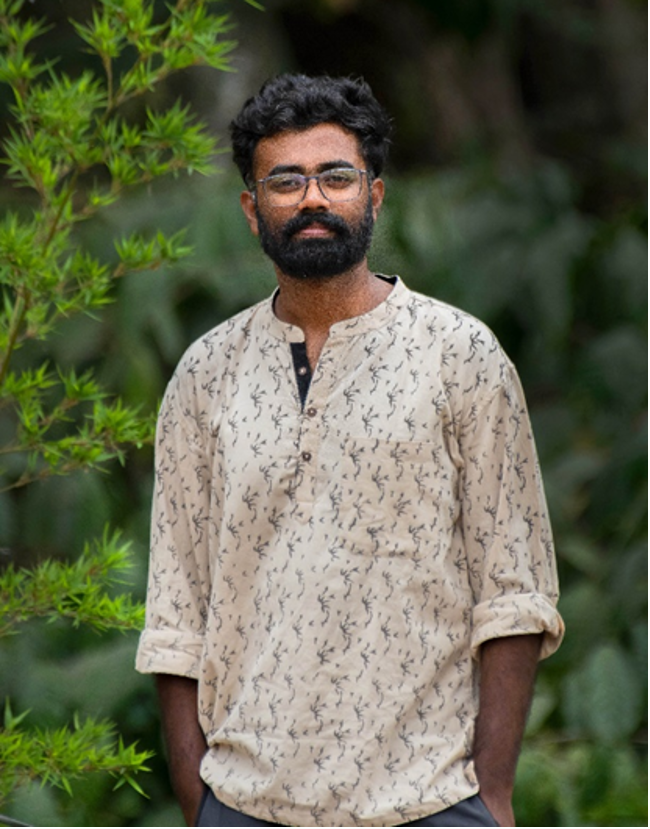
Abhijith A V (Jawaharlal Nehru Centre for Advanced Scientific Research (JNCASR), India) for his article Contrasting morphological and acoustic trait spaces suggest distinct participant benefits in mixed-species bird flocks (Animal Behaviour (2025). Volume 221, Article 123058) https://doi.org/10.1016/j.anbehav.2024.123058